
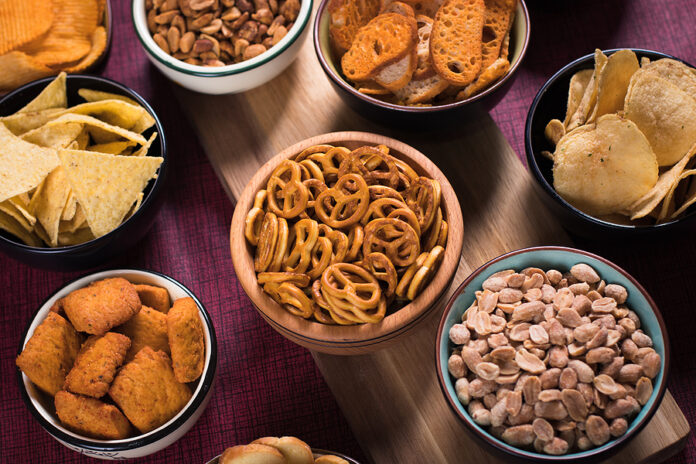
Ahead of Super Bowl weekend, PepsiCo announced it is lowering suggested retail prices on many of its best-known U.S. snack brands by up to nearly 15%, including Lay’s, Doritos, Cheetos, and Tostitos. PepsiCo said the new price points are rolling out to retailers this week, but noted consumer savings may vary by store.
The move is a shift from price-led growth back toward volume, trip frequency, and everyday value, which raises expectations for service, throughput, and cost discipline.
The company’s core claim is lower price without changing the product experience, emphasizing the same snack and the same size. The company also framed the move alongside ongoing recipe and packaging updates shaped by consumer feedback, including removing artificial flavors and colors from Lay’s and Tostitos.
What does this mean for F&B leaders who follow a similar path? Here are four operation implications:
- Volume focus increases pressure on plant performance.
If demand lifts, organizations will be expected to protect fill rates during peak events while holding quality and safety. With less pricing cushion, downtime, yield loss, and changeover inefficiency become more expensive. - Everyday value requires structural cost work.
PepsiCo has separately described a focus on improving everyday value by brand and channel, funded by operating cost reductions and productivity investment. For manufacturers, that points to conversion cost reduction, automation where it pays back, and tighter cost-to-serve management. - Portfolio simplification becomes a manufacturing strategy.
PepsiCo has also said it plans to reduce nearly 20% of U.S. SKUs. Fewer low-velocity items can improve schedule stability, reduce changeovers, simplify materials, and raise effective capacity. - Reformulation and packaging updates add complexity unless governed.
Lower prices paired with recipe and pack changes can strain qualification, labeling, and inventory run-down plans. Strong change control and supplier readiness are essential to avoid service issues and obsolescence.
Because this is a suggested retail price change, retailer pass-through will vary, which can create uneven demand by geography and channel. Manufacturing leaders should stress-test scenarios for adoption speed and promotion overlap, then focus on the basics that protect margin when prices reset: simplify where possible, increase line reliability, reduce changeover time, and tighten cost-to-serve discipline.