
Manufacturers are spending like the future is already here. A recent Fluke Corporation survey found 72% of organizations plan to sink 16% to 30% of their maintenance budgets into new technology over the next year. But that same survey found skills-related challenges, not equipment or cost, drive 78% of the obstacles manufacturing leaders report today.
Plants are buying faster than their people can learn, and food manufacturing carries higher stakes than most industries. Get training wrong here and you’re not just losing productivity, you’re risking a food safety violation.
Vineet Thuvara, Chief Product Officer at Fluke Corporation, works with global manufacturing leaders navigating this exact problem. He shared why workforce readiness looks different in food and beverage, what trade school and university partnerships get right, and the first move a CEO should make once they spot this shortfall in their own plant.
Q. Equipment misuse in food manufacturing is both a productivity problem and a food safety and compliance exposure. Does the workforce readiness gap look different here than in other industries?
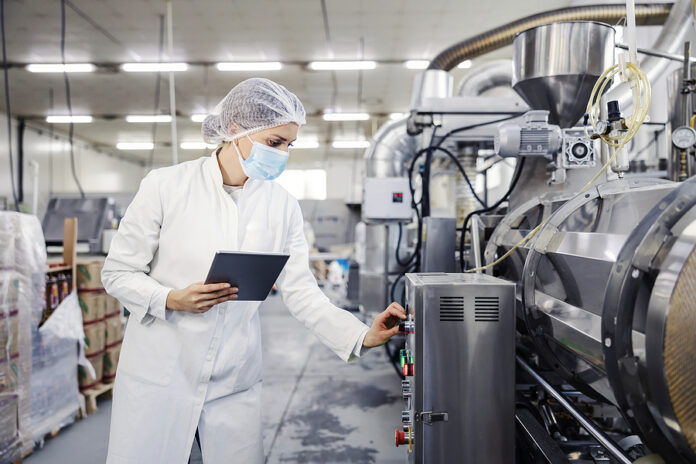
Vineet Thuvara: Yes, due to the potential safety and compliance risks associated with the food and beverage industry, the workforce readiness gap is significantly different than other industries. Beyond the training required to learn new systems and technology in most manufacturing jobs, there is an added level of training needed to be compliant with FDA protocols. For example, in food manufacturing facilities, there are Sanitation Standard Operating Procedures that ensure adequate cleaning of surfaces to prevent cross contamination and specific equipment being used that are designed to be easily cleaned and non-toxic. These protocols and regulations are not frequently taught in depth in schools, requiring on the job training, guidance, and patience for new hires entering the industry.
Q. The May jobs report showed F&B employment declining. Is today’s automation displacing workers, or are manufacturers not finding people with the right skills? Does the distinction change what executives should do?
VT: As recent jobs reports reflect, one of the greatest issues impacting the food and beverage industry, as well as the larger manufacturing sector, is the ongoing skills gap. The next generation of workers are not entering the workforce with the technology skills necessary for today’s modern factories. They are also coming with new expectations around how they expect our tools to work and many tools haven’t evolved from the past. Recent data from a Fluke global survey found that skills related challenges account for 78% of all reported obstacles from manufacturing leaders. Meanwhile, 72% of organizations are allocating nearly a quarter of their budget to new technology. This showcases a clear disconnect between technology adoption and workforce readiness and emphasizes the need for stronger mentorship among manufacturing leaders and those entering the field.
Q. Trade school and university partnerships keep coming up as the answer. What makes such partnerships successful?
VT: Trade school and university partnerships have proven extremely beneficial as real-life, hands-on experiences are the ultimate tool to workforce preparedness. When education institutes invest in the value of such partnerships, the students enrolled are graduating with more than textbook knowledge. For example, Fluke’s partnership with Washington State University provides classrooms with professional test and measurement tools that are currently being used in the field. Students can also receive the added benefit of being mentored by those currently in the field, providing benefits for students by opening doors to future opportunities upon graduation, and speeds up training processes for new hires who have already had experience working with the tools that are already deployed in factories.
Q. What’s the assumption food manufacturing executives most often get wrong about workforce readiness?
VT: While trade schools do a great job of providing students with the basics that will guide them through their career, the industry is evolving every day and the techniques being taught may no longer transfer directly to the real world. Expanding apprenticeship opportunities that expose students to modern equipment, digital workflows and real-world operations can help bridge that gap before they enter the workforce. As technology evolves and new strategies are implemented into workstreams, manufacturing executives cannot forget that new processes for them are also new to all their employees, including recent hires.
Q. If a food manufacturing CEO recognizes this gap in their own plant, what’s the first move?
VT: Whether there is a large or small skills gap, training is the first step every executive should take, and manufacturing leaders must be at the forefront of evolving training and culture to attract and retain the next generation in accordance with their needs. The most effective models combine hands-on experience with exposure to the same tools and technologies workers will use in the field. Offering in-depth overviews of new processes and tools can instill confidence in employees to engage with these new tools, leading to increased productivity in the long run. And this is an ongoing and evolving effort, not just once and done.