
By Roger Hancock, CEO, Recall InfoLink
Key takeaways:
- Shared suppliers can expand a single failure across multiple brands. Map ingredient suppliers and impacted products beyond basic “one up, one back” tracking.
- Rehearse the whole recall with your trading partners, from the decision to recall through resolution, not only the trace back.
- Standardized, shareable data lets you isolate scope fast. Systems take time to build, so start before FSMA 204 enforcement begins in July 2028.
As food recalls continue to dominate the news, consumers are becoming increasingly concerned about the safety of the nation’s food supply. All eyes are on food industry executives, the leaders responsible for ensuring food safety protocols are followed properly and consistently. Consumers are wondering why so many people have experienced foodborne illnesses recently, and are questioning whether industry leadership can truly provide safe food.
Media headlines have recently claimed that “recalls are up 400%“, adding to consumer fear. Public perception is that recalls are happening more frequently, and ongoing media coverage and social media chatter fuel this narrative. As an industry leader, consider how you can prove to nervous consumers, employees, and investors that your company is prioritizing food safety. After all, brands have a lot to lose — financially, legally, and reputationally — if they don’t handle a recall well.
Today’s recall landscape
Industry leaders must come to terms with the reality of today’s global supply chains. The implications go beyond logistics. Surviving a recall today requires that leadership understands evolving supply chain dynamics. To accomplish this, focus on these top three things:
1. Know your supply chain
Many factors shape today’s recall landscape, including budget cuts that affect regulatory oversight, the delayed FSMA 204 enforcement deadline, and more complex, international supply chains. Although recalls aren’t necessarily more frequent, they are growing in scale. Frequency vs. scale is an important distinction.
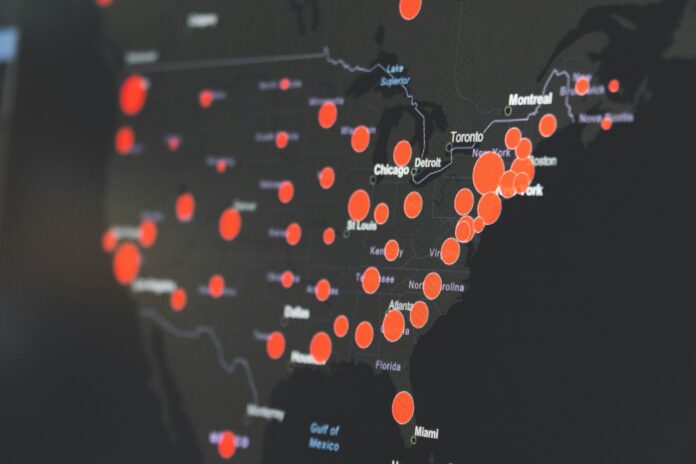
Supplier consolidation, cross-border sourcing, and distribution complexity all contribute to today’s larger recall scope. When a few large suppliers serve a wide network of brands and retailers, one point of failure can quickly become a massive, multi-state crisis, as we witnessed this summer.
Leaders must ensure familiarity with their supply chain partners, though the word “chain” may be a misnomer. “Chain” suggests a straight line: one supplier, one manufacturer, one distributor, one retailer. Food, especially produce, doesn’t move that way. Instead, picture a supply web: a jumble of intersecting growers, packers, shippers, and distributors with multiple merge points before a product reaches consumers. That means a single ingredient can pass through several suppliers, be in many brands’ products, and be sold through numerous channels.
Given this complexity, the typical expectation of “one up, one back” is the minimum knowledge required for a connected, prepared supply chain. Even if you know your partners one up, one back, and your partners do the same, you are still vulnerable to supply disruptions and risk. Consider one step further and map your sources of supply: which suppliers touched a given ingredient, which of your products draw on the same source, and where a single upstream issue could have a large-scale impact. This level of knowledge dramatically strengthens the ability to trace effectively, streamline action, and resolve food safety incidents quickly.
2. Prepare your team
Since recalls are supply chain events, not single company events, preparation must go beyond your organization’s four walls. Training your staff is critical; so is practicing with your trading partners. Participate in mock recalls that do more than trace back product, instead simulating the entire process, from the decision to recall through incident resolution. That way, when your company or partners are involved in a recall, everyone will know what to expect and how to respond. Companies that manage recalls and effectively contain the damage do the work in advance.
Also, reiterate to key audiences, including your team, customers, and investors, why recalls aren’t necessarily a brand failure. They can be proof that the food safety system is working as it should, but only if they are handled quickly and effectively. Early detection systems and complex safety checks across the chain can detect food safety issues, often before the product hits store shelves. If the issues are flagged and resolved before public safety is ever at risk, the recall can actually build trust rather than break it. That’s an important message for industry leadership to share.
3. Have good data and be able to share it
As recall scale grows, data management becomes even more critical. Companies with accurate, accessible records can isolate the affected scope immediately. They know exactly which lots, facilities, and downstream partners are implicated, which accelerates notification, action, and resolution.
While good data is important, it won’t do much good if it’s not standardized, compatible, and shareable across your supply chain. FSMA 204 makes addressing these challenges more pressing. While enforcement has been delayed to July 2028, companies can’t afford to wait. Data systems take time to build, and companies need these integrated systems in place now, before they encounter a large, complex recall.
The most effective, accurate way to manage recall data is through integrated tech systems. When trading partners use interoperable systems for data sharing, it facilitates better visibility and traceability, faster action, more targeted recalls, and less risk for supply chains and their customers. Create a connected system that can be queried, built on clean data that’s easy to pull and share. The tools, data standards, and resources to build that map are better now than they’ve ever been, so it’s becoming much easier to know where a product comes from, where it goes, and whether it’s affected during a recall.
It’s unrealistic to believe the industry can stop recalls completely. Despite advances, innovations, and prevention strategies, some food safety breaches and production errors remain inevitable. Therefore, ensure that your company is recall ready and well-prepared to manage complex recalls in today’s global landscape. Recall ready companies have planned ahead, with the proper frameworks in place to mobilize quickly when a recall is issued. They’ve trained their staff and developed recall plans to guide teams during stressful, chaotic incidents. They regularly practice recall simulations collaboratively with their trading partners. And they recognize that, as the supply chain becomes more complex and recall scale grows, it’s critical to be resilient, ready to minimize damage from a recall, disseminate accurate information, and protect public health.
 Roger Hancock, CEO of Recall InfoLink, is one of the world’s foremost experts on recalls, with experience that spans the retail, tech, data, regulatory, and supply chain. Recall InfoLink makes recalls faster, easier, and more accurate across the supply chain to protect consumers and brands. As the only company focused entirely on recalls, Recall InfoLink’s solutions drive immediate action, streamline the recall process, and simplify compliance. Roger is also a steering committee member of the Alliance for Recall Ready Communities.