
Key takeaways:
- FDA traced a 1,644-case, five-state Cyclospora outbreak to one shredded lettuce supplier using distribution records and patient interviews alone. No product sample ever came back positive.
- FSMA 204’s traceability recordkeeping deadline now sits at July 20, 2028, not January 2026. That’s a runway, but it doesn’t change what FDA can already ask for tomorrow if you handle a listed food.
- CDC’s own investigation guidance names the failure point in outbreaks like this one: records that are missing, incomplete, or that don’t link across companies. That issue doesn’t wait for 2028.
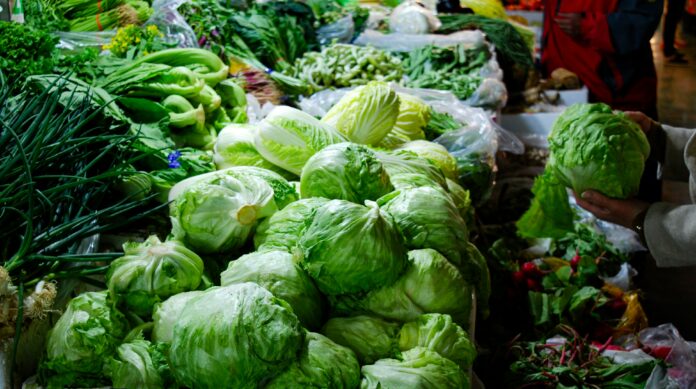
On July 17, Taylor Farms de Mexico pulled every case of iceberg lettuce it had shipped from central Mexico off the U.S. market. By then, five states had reported 1,644 Cyclospora cases tied to Taco Bell locations serving shredded lettuce, according to FDA’s outbreak investigation page and CDC’s outbreak tracker. Michigan alone traced 90% of its 190 confirmed cases back to a Taco Bell meal that included iceberg lettuce.
FDA and CDC had a supplier before they had a lab result. They still don’t have one. A lettuce sample tested positive for Cyclospora on July 18. On review, FDA called it a false positive on July 20 and said so publicly, as CNBC and NPR both reported. The recall stands anyway. The case against Taylor Farms rests on traceback convergence and patient interviews: the same two tools CDC’s own multistate investigation guidance lists as the core of how any outbreak like this gets solved.
What the traceback required
Investigators had to work backward from restaurant to distributor to grower, matching lot-level shipment records across every Taco Bell location tied to a sick patient, then cross-referencing those records against interview data on what people ate and when. CDC’s guidance notes this step usually breaks down when supply chain records are “missing, incomplete, or not linkable across companies.”
And that’s the capability FSMA 204 exists to force into place.
Extended deadline, same 24-hour ask
FDA’s Food Traceability Rule originally required lot-level recordkeeping across the Food Traceability List by January 20, 2026. In March 2025, FDA proposed pushing that out 30 months, and Congress made the extension binding through the Continuing Appropriations Act, moving the compliance date to July 20, 2028. FDA bought the industry that runway because linking lot-level records across thousands of suppliers, packers, and distributors is expensive and slow to build, especially for a mid-size plant weighing that spend against automation, labor, and every other capex line competing for the same budget.
Iceberg lettuce and the rest of the leafy greens category sit on the Food Traceability List. Once the rule takes effect, any facility that manufactures, processes, packs, or holds a listed food has to keep Critical Tracking Event records with their Key Data Elements, in a form it can hand FDA within 24 hours of a request.
Two years provides the necessary time to build that system. What isn’t on delay is FDA’s existing traceback authority, which sits outside FSMA 204 entirely and is already in force today. This outbreak is what that authority looks like in use: investigators requesting records from a supplier and a restaurant chain, on no notice, while the case count is still climbing.
What most mid-size manufacturers can’t produce tomorrow
If FDA called your plant tonight and asked for the Key Data Elements on one lot as it moved through your last three Critical Tracking Events, receiving, transformation, shipping, could you hand back one linked record, or would someone have to reconcile a supplier email, a shipping spreadsheet, and whatever your ERP happened to capture, hoping the lot numbers on all three actually match?
That reconciliation gap, not the 2028 date sitting two years out, is what CDC flags as a common bottleneck once an outbreak is already underway. It’s the difference between a traceback that takes days and one that takes weeks, and between a recall that stops at one supplier and one that has to widen because nobody could prove where else the product went.
FDA named a supplier this month with no positive lab result behind it, on a paper trail that held together end to end. Whether yours would hold up is worth finding out before something asks.